Practice

Architecture, interiors, houses, and workplaces.

The categories overlap. A house is an interior problem. A shop is a street problem. The four names stay because clients arrive with one of them.

01 — Architecture

The line of the building.

The studio draws a building as a response to light and water before drawing it as an object. Roofs are deep. Screens are specific. Openings sit where the breeze actually is.

The aim is a building that feels inevitable on its site, and calm in a photograph only because it is calm to stand in.
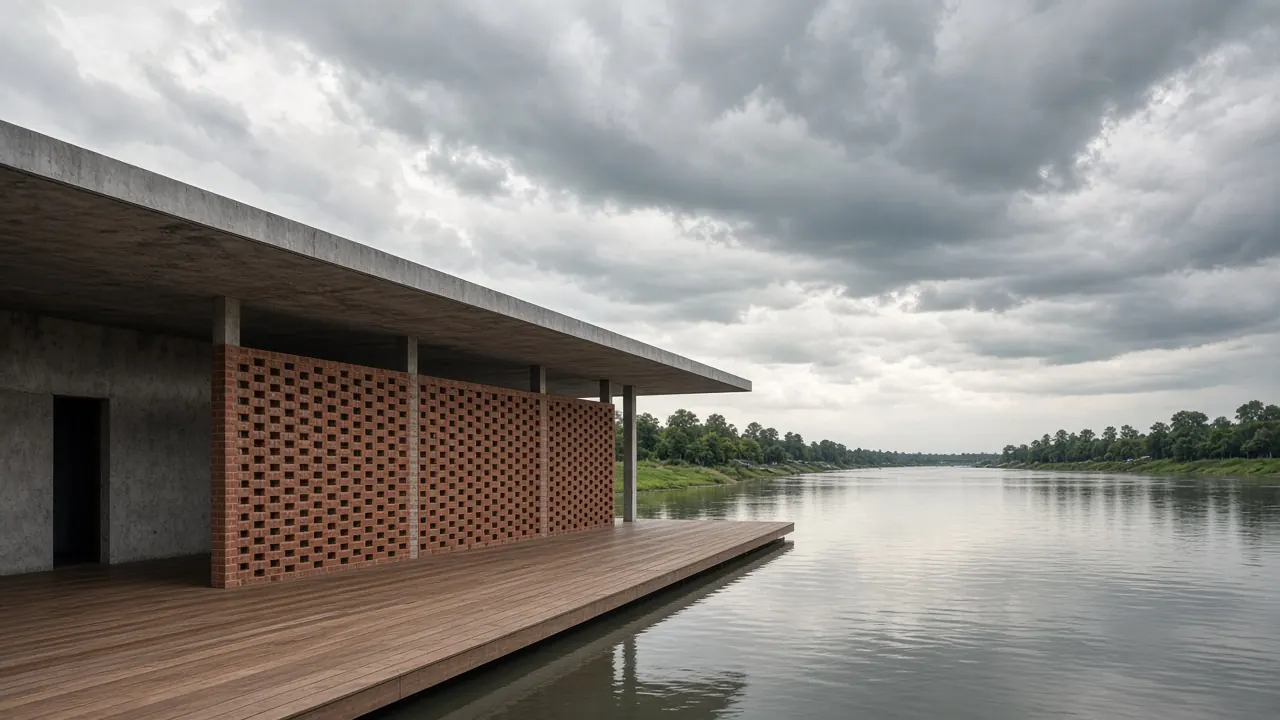
Studio study of a concrete roof and brick screen beside a wide river under monsoon cloud.
River Threshold. A studio study.

02 — Interiors

The same project, closer in.

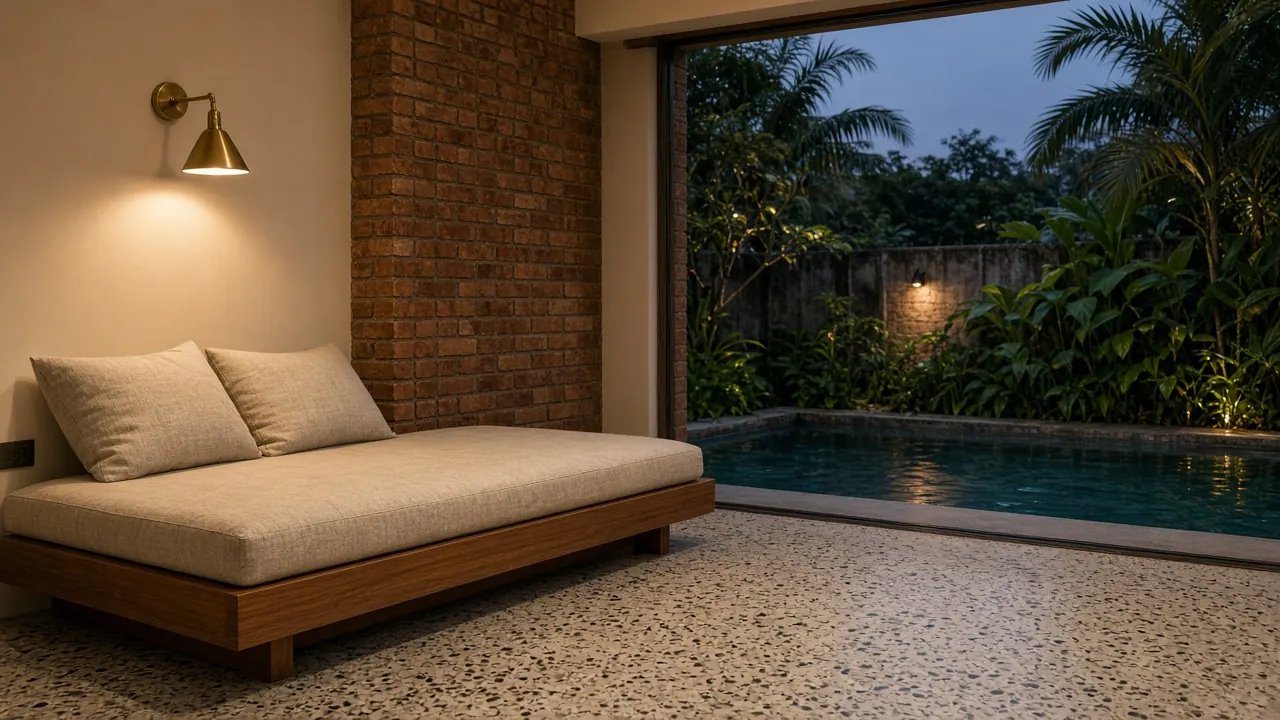
An interior is not a layer added at the end. The studio chooses fewer materials and lets them meet cleanly: brick, timber, plaster, stone, and a metal that can age.

The room should explain itself without a catalogue. If a finish has to be described at length, it is probably doing too much.

Studio study of a teak daybed, brick pier, and brass lamp beside an open court.
The Quiet Room. A studio study.

03 — Residential

The plot writes the first brief.

Most briefs begin as a measurement. Land is counted in square feet and in katha. A ground floor often has to hold parking, living, dining, and a kitchen inside a little more than three thousand square feet.

One study the studio has shared publicly began from 7,000 square feet of land, about 9.7 katha, with a proposed ground floor of 3,200 to 3,500 square feet for exactly that life.

That life is planned before a facade. The car should not cut the court. Rain should have a place to fall. The rooms where people sit should get the breeze.

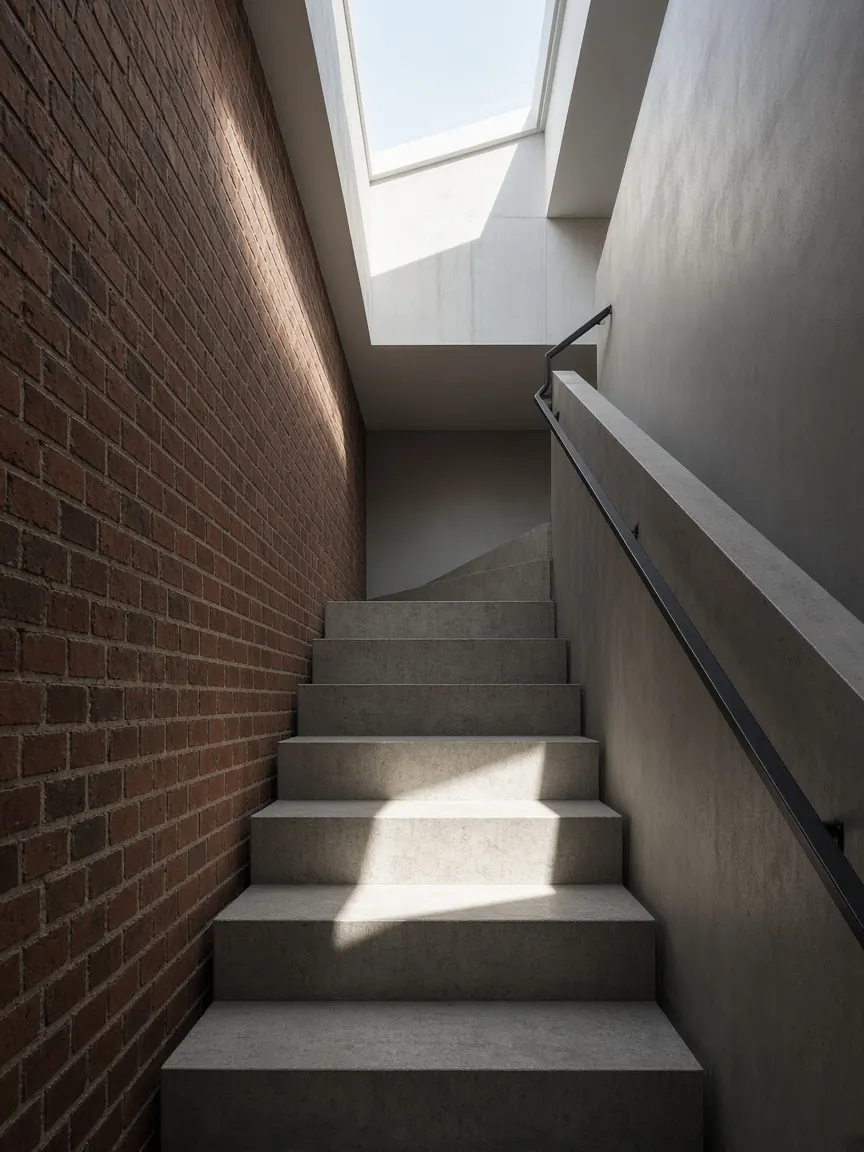
Studio study of a skylit concrete stair against a red brick wall.
A stair is a room with a job.

04 — Commercial

A clear address.

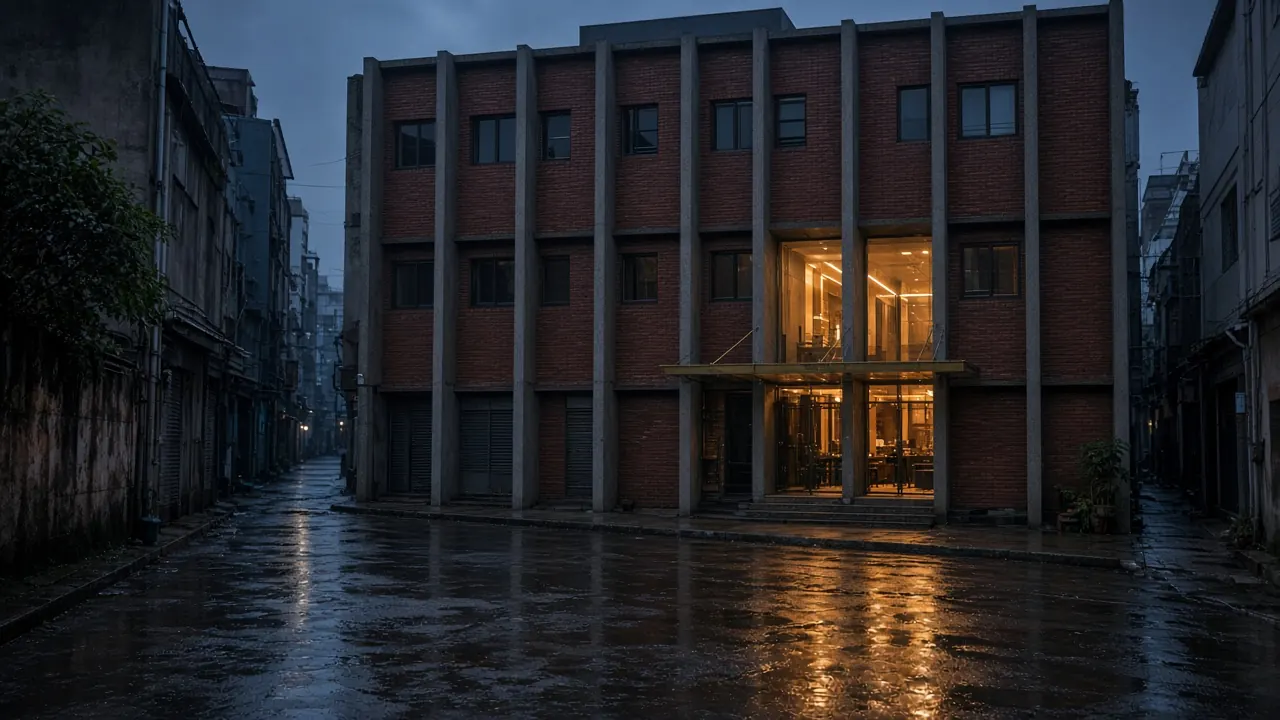
A workplace or a shop on a narrow plot has to be a good neighbour and easy to find. The studio recesses the front, shades the glass, and lets the ground floor do the talking.

A sign should not have to shout over the building. At night, a well-made room is enough of a sign.

Studio study of a four-storey brick building with a glowing ground floor on a wet street.
Street Verge. A studio study.

05 — Material and climate

Bangladesh draws with you.

The sun is high. The monsoon is not a surprise. Air that moves is a material. Plinths, courts, screens, and roofs are instruments, not a style.

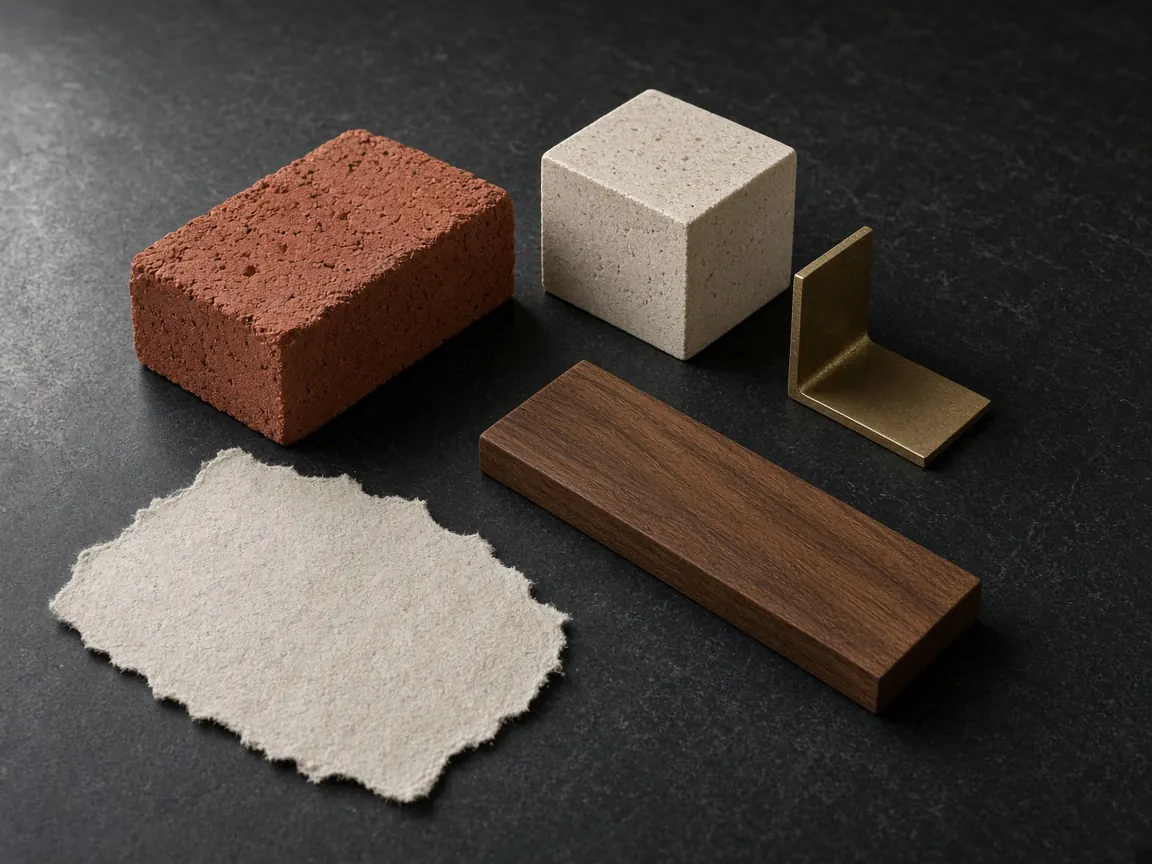
Brick for the screen and the pier. Pale plaster for the light. Teak where the hand rests. Brass where a lamp or a handle needs to warm up. Paper and a model before anyone commits to a wall.

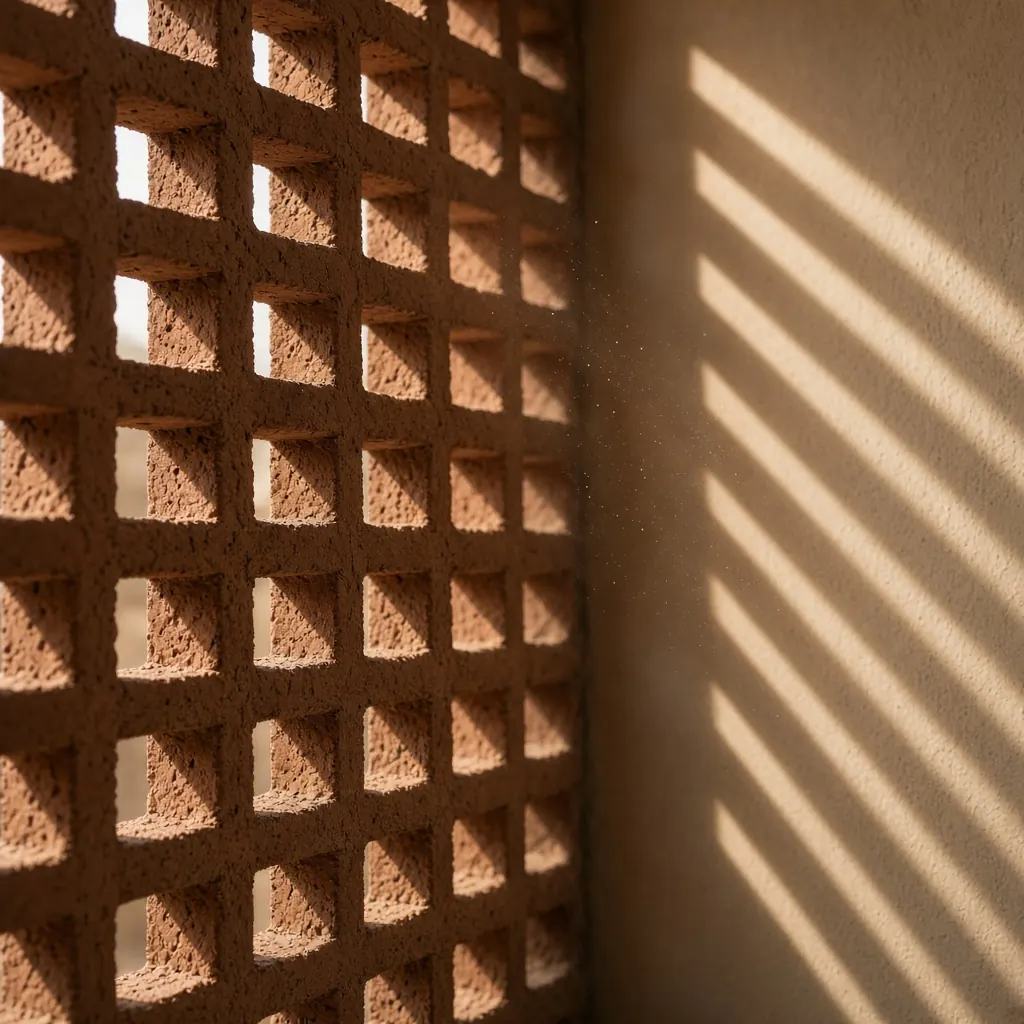
Close studio study of a brick jali screen casting striped light on plaster.
A screen that takes the sun.
Still life of brick, limestone, brass, teak, and handmade paper.
A short list of materials.